Many first-time travellers think an African safari simply means driving around looking for lions.
In reality, a safari is much more than that.
An African safari is an immersive journey through some of the world’s most remarkable landscapes, where wildlife, culture, conservation, and unforgettable travel experiences come together. It may include game drives, walking safaris, mokoro excursions, boat safaris, birdwatching, cultural visits, luxury lodges, or mobile camps, depending on the destination and travel style.
No two safaris are exactly the same. Wildlife is unpredictable, landscapes change with the seasons, and every destination offers something different.
What Does “Safari” Actually Mean?
The word ‘safari’ comes from the Swahili word meaning ‘journey’.
Historically, it referred to expeditions across East Africa. Today, it describes wildlife-focused travel through national parks, private reserves, and wilderness areas across Africa.
What Happens on an African Safari?
A typical African safari day includes early morning and afternoon wildlife activities, time to relax at your lodge or camp, and opportunities to experience the surrounding wilderness.
Days are structured around wildlife activity, with mornings and late afternoons usually offering the best conditions for sightings.
A typical day may include:
- Early morning wake-up
- Tea, coffee, and a light snack
- Morning game drive or guided activity
- Brunch or breakfast back at camp
- Time to relax during the warmer part of the day
- Afternoon game drive or safari activity
- Sundowners in the bush
- Dinner at the lodge or around the campfire
- Optional night drive where permitted
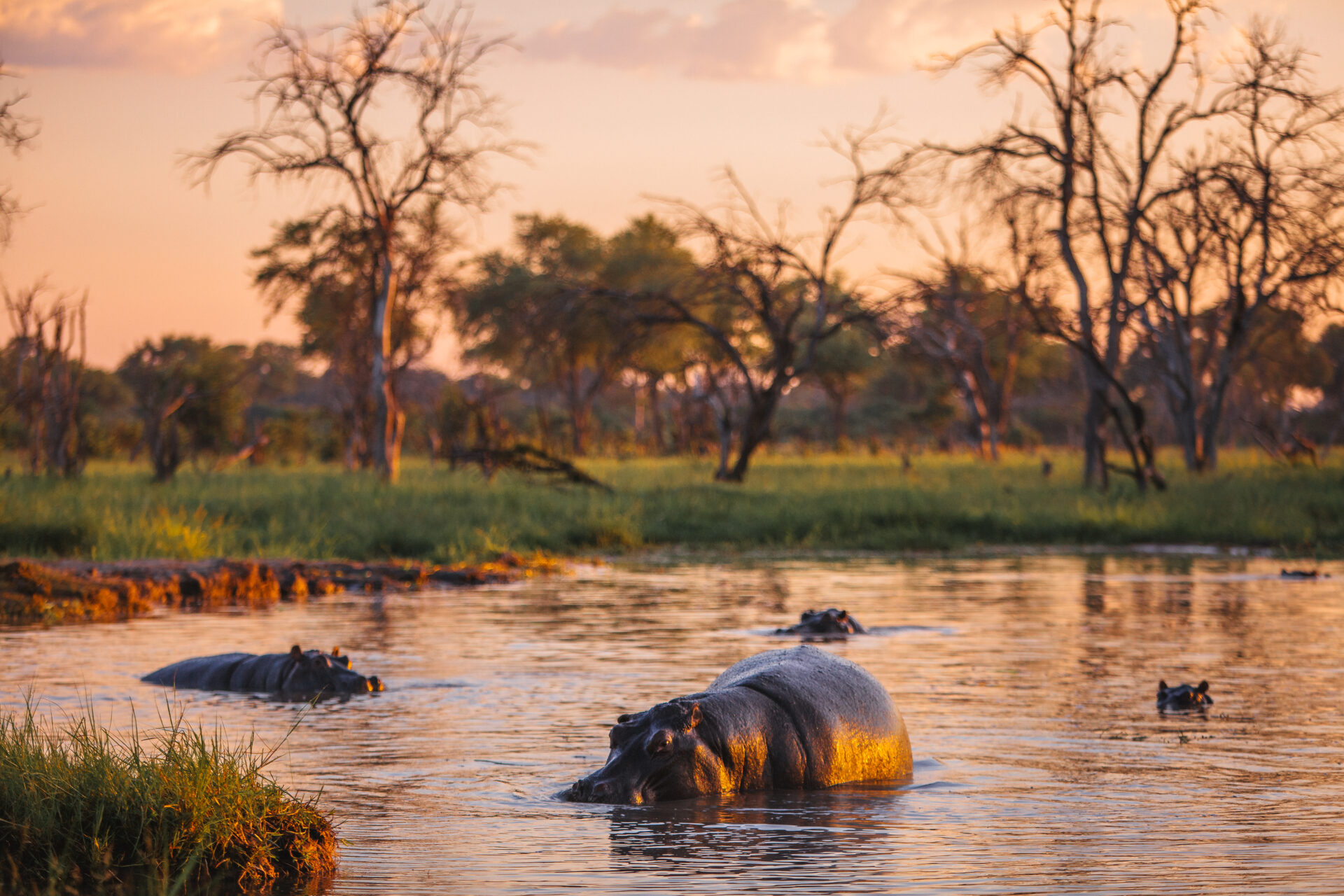
Every day is different. One morning may bring elephants to a waterhole, while another may focus on birdlife, tracks, antelope, predators, or simply the beauty of the landscape.
What Is the Difference Between a Safari and a Game Drive?
A safari is the full travel experience. It may include accommodation, meals, transfers, guiding, wildlife activities, and time in different destinations.
A game drive is one activity within a safari. It usually involves driving through a national park or reserve in search of wildlife.
| TERM | MEANING |
| Safari | The complete wildlife travel experience |
| Game drive | A guided or self-drive wildlife viewing activity |
| Walking safari | Exploring the bush on foot with a trained guide |
| Fly-in safari | Travelling between remote camps by light aircraft |
| Self-drive safari | Driving yourself through parks or reserves |
Different Types of African Safaris
Guided Group Safaris
Guided group safaris are ideal for first-time travellers and guests who enjoy travelling with others.
They usually include:
- Set departure dates
- A planned route
- An experienced guide
- Shared safari activities
- Good value for travellers wanting structure
Best for:
First-time visitors, solo travellers, social travellers and guests who want the logistics handled.
Private Safaris
Private safaris are more flexible and personalised. The itinerary is designed around the traveller’s interests, pace, and budget.
They may include:
- Private vehicle and guide
- Tailor-made routing
- Flexible dates
- Handpicked lodges
- Special-interest experiences
Best for:
Families, couples, honeymooners, photographers, and travellers wanting more privacy.
Self-Drive Safaris
A self-drive safari gives travellers the freedom to drive themselves through selected parks and regions.
This works especially well in destinations such as Namibia and parts of South Africa, where road networks and tourism infrastructure are well developed.
Best for:
Independent travellers, confident drivers, families, photographers, and road trip lovers.
Walking Safaris
Walking safaris offer a slower, more immersive way to experience the bush.
Instead of focusing only on large animals, a walking safari reveals tracks, plants, insects, birds, animal behaviour and the smaller details of the ecosystem.
Best for:
Adventure travellers, nature lovers, and guests wanting a deeper connection to the landscape.
Fly-In Safaris
Fly-in safaris use light aircraft to connect remote lodges and wilderness areas. They are common in destinations such as Botswana, where many camps are located in remote areas.
Best for:
Luxury travellers, honeymooners, guests with limited time, and travellers wanting remote wilderness with less road travel.
What Wildlife Can You See on an African Safari?
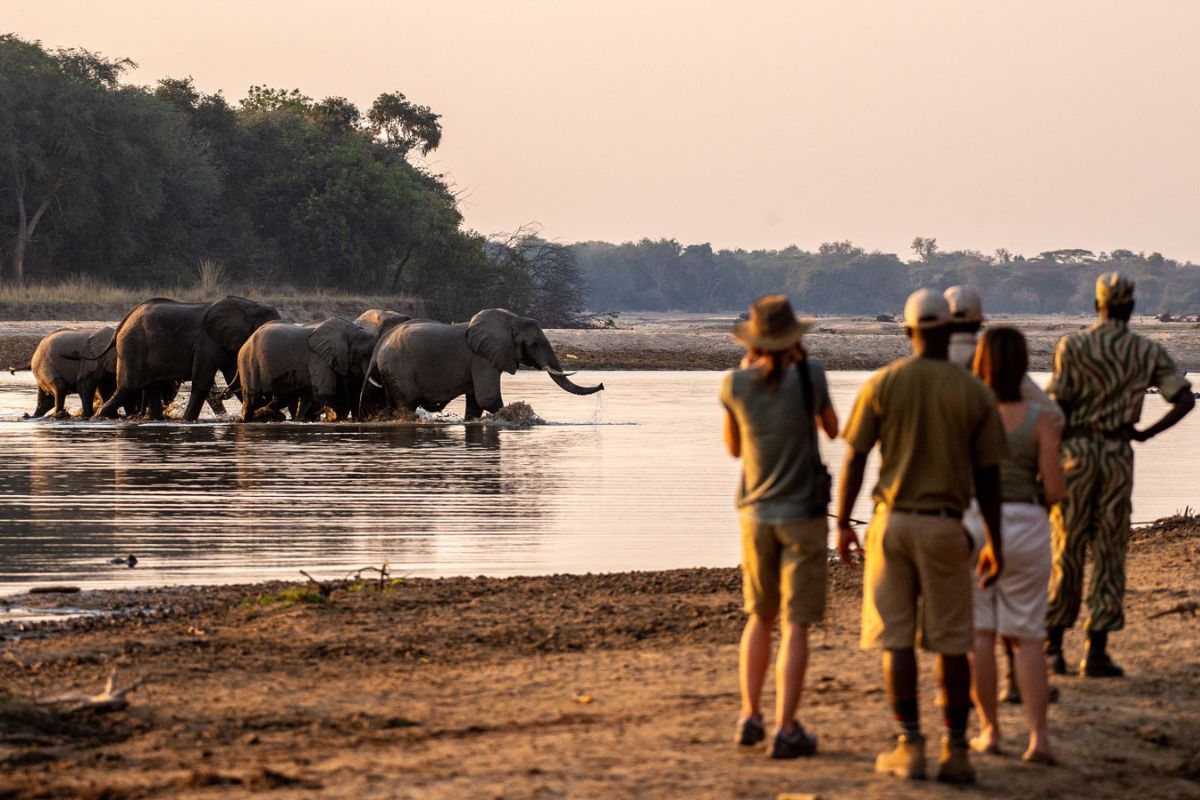
An African safari offers the chance to experience remarkable wildlife in its natural habitat, from iconic predators and large mammals to smaller species that play an important role in the ecosystem.
Wildlife may include:
- Elephants
- Lions
- Leopards
- Rhinos
- Buffalo
- Giraffes
- Zebras
- Cheetahs
- African wild dogs
- Hippos
- Crocodiles
- Hyenas
- Antelope species
- Warthogs
- Monkeys and baboons
- Reptiles
- Hundreds of bird species
Sightings depend on the destination, season, habitat, weather, and guide expertise.
Which African Country Is Best for Safari?
There is no single “best” safari country. The right destination depends on what the traveller wants to experience.
| DESTINATION | BEST FOR | SAFARI STYLE |
| South Africa | First-time safaris, Big Five, family travel | Private reserves, national parks, and luxury lodges |
| Botswana | Water-based safaris and exclusive wilderness | Okavango Delta, Chobe, and fly-in safaris |
| Zimbabwe | Walking safaris, expert guiding, and classic wildlife | Hwange, Mana Pools, and Victoria Falls combinations |
| Namibia | Desert landscapes and self-drive adventures | Road trips, Etosha, dunes, and remote scenery |
| Kenya | Great Migration and classic East African safari | Masai Mara, conservancies, and cultural experiences |
| Tanzania | Serengeti, Ngorongoro Crater, and migration routes | Iconic wildlife and wide-open plains |
| Uganda & Rwanda | Gorilla trekking and primate encounters | Forest safaris and conservation-led travel |
How Long Should an African Safari Be?
The ideal length depends on the destination and how much variety travellers want.
| SAFARI LENGTH | BEST FOR | WHAT TO EXPECT |
| 3-4 days | Short safari or add-on | A focused wildlife experience in one reserve |
| 7-10 days | First-time safari travellers | A balanced safari with time in one or two regions |
| 12-16 days | Deeper exploration | Multiple parks, landscapes, and countries |
| Multi-country itinerary | Returning travellers or special trips | A richer journey combining different safari styles |
Can You Combine Different Safari Destinations?
Yes. Many of the best African safari itineraries combine more than one destination.
Popular combinations include:
- Kruger, Cape Town and Victoria Falls
- Kenya and Tanzania
- Botswana and Zimbabwe
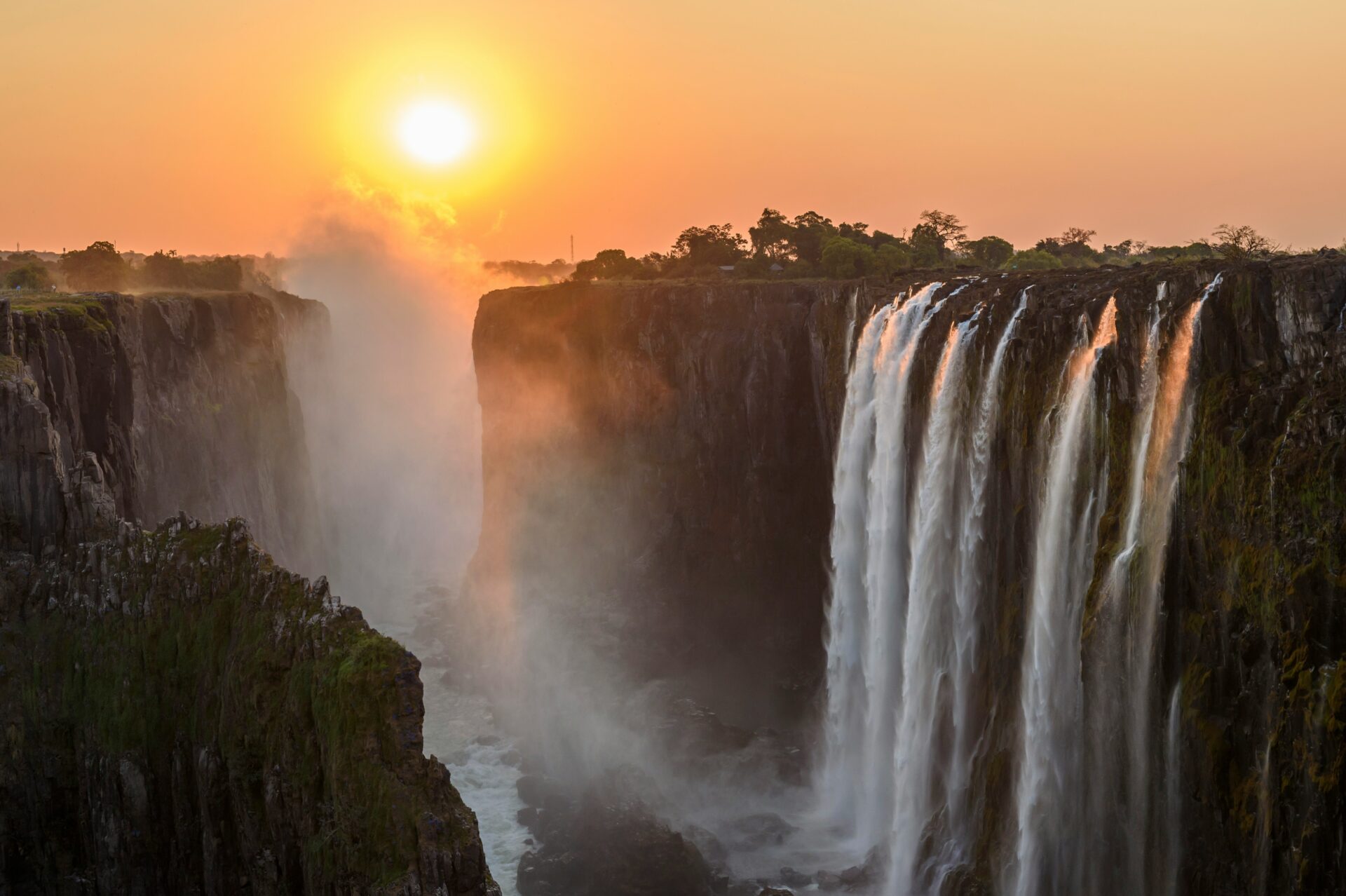
- Victoria Falls, Chobe and the Okavango Delta
- Tanzania and Uganda for Safari + Gorillas
Combining destinations allows travellers to experience different landscapes, wildlife, and cultures in one journey.
Plan Your African Safari
Whether you’re planning your first safari or deciding which African destination is right for you, our destination experts are here to help you find the perfect itinerary.
From guided group tours and tailor-made safaris to unforgettable wildlife experiences across Southern and East Africa, we’ll help you choose the safari that best suits your travel style.
Bookings: info@jenmansafaris.com
Talk To Us: +27 21 683 7826